Why the 787 is the Best Selling Widebody Aircraft
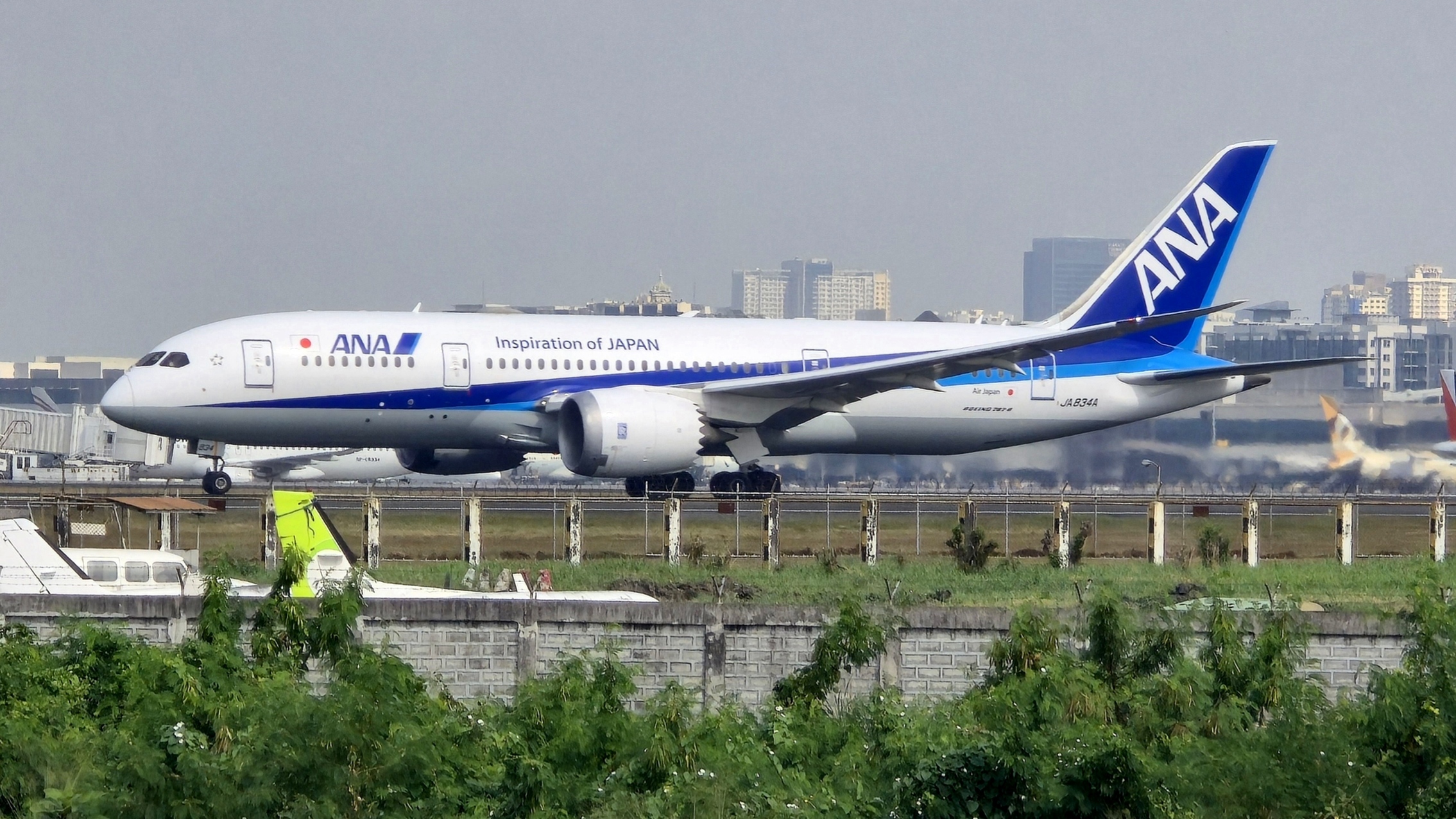
In the widebody aircraft arena, Boeing has often stayed ahead of Airbus. A clear early example is the Boeing 747. The Boeing 777 came next, especially the 777-300ER, which changed long-haul travel by making twin-engine, ultra-long-haul flights more common. This aircraft outperformed the Airbus A340-300 and even made its older brother, the 747, less competitive for long-range widebody passenger service.
Although the latest variant of the Boeing 747, the -8I, did not sell as well as the Airbus A380, the A380 was never able to surpass the total sales of the 747. In fact, the A380 went out of production before the 747 did.
At that time, airlines mainly used ultra-long-haul flying for aircraft that carried more than 350 passengers. The market centered on the Boeing 777-300ER, the Airbus A340, the Boeing 747-8I, and the Airbus A380. The Airbus A330-300 did not have enough range for many long-haul routes, so Airbus used the A330 airframe as the base for the A340 and added four engines.
Boeing then wanted to fill the market for long-haul aircraft that carried about 200 to 300 passengers, so the Boeing 7E7 came about, which later became the 787. The idea was to let airlines fly more nonstop, point-to-point routes while using less fuel than similar-size aircraft at the time. The 787 family fit airlines that wanted long-haul reach without relying only on large hubs or very large widebody aircraft.
The aircraft fits a key market need. Airlines often want a widebody that can carry about 250 to 330 passengers, fly long distances, and still operate efficiently on medium-haul routes when demand changes. The 787-9 sits near the center of the family in both seating and range, which makes it flexible for many missions. This allows airlines to replace older mid-size widebodies, open new nonstop routes, and adjust capacity without moving to much larger aircraft.
Demand has stayed strong. Boeing reports that about 90 customers have placed more than 2,250 orders for the 787 family, with more than 1,200 aircraft delivered and a backlog close to 1,000. By comparison, the Airbus A350 family had 1,529 total orders and 699 deliveries as of end-December 2025. These figures help explain why Boeing describes the 787 as the best-selling passenger widebody.
More than size, the Boeing 787 is technologically advanced. It uses 50% composite materials by weight and about 80% composite materials by volume. Here is what that means. “50% composites by weight” means about half of the total weight of the aircraft’s primary structure, including the fuselage, wings, and tail, comes from carbon fiber reinforced plastic (CFRP) and other composite materials rather than aluminum. The structure also includes about 20% aluminum, 15% titanium, and 10% steel. This shows a major shift away from traditional metal-based aircraft. “80% composites by volume” means composites make up most of the structure when you look at how much space those materials take up.
The 787 also does not use engine bleed air for cabin pressurization. Electric compressors provide cabin air instead, which replaces many traditional pneumatic systems. This approach supports a lower cabin altitude, higher humidity, and a more comfortable cabin environment, along with larger windows.
Some people might consider me a fanboy of the Boeing 787, but I want to clarify that I simply enjoy sharing information about all types of aircraft, especially the ones I’m familiar with. Just because I share details about a specific plane doesn’t mean I’m exclusively a fan of it. In fact, I’m a fan of planes and aviation as a whole. While I also appreciate the A350, I believe the story of the 787 is definitely worth sharing for everyone’s benefit.

Post Comment